How Chiropractic Might Help with Weight Loss
Can chiropractic care contribute to weight loss? While not a standalone solution, chiropractic adjustments may play a supportive role within a comprehensive weight management program. This article explores the potential benefits, the current research (and its limitations), and how to integrate chiropractic care effectively. For more detailed information, see this helpful resource: Learn More.
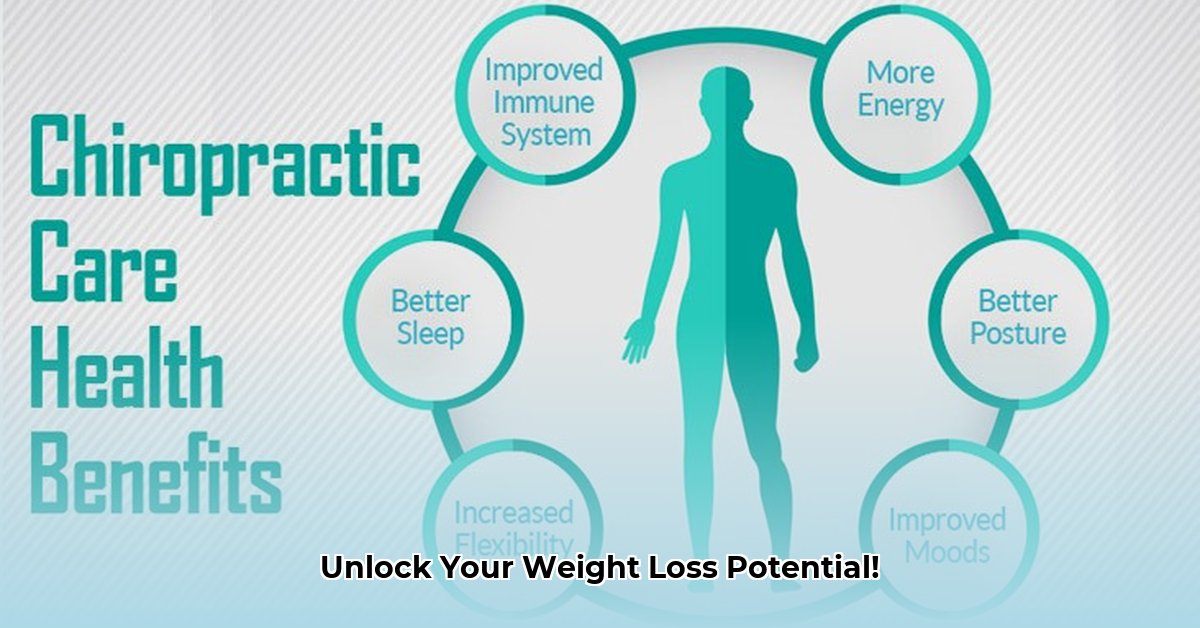
Improved posture, a key focus of chiropractic care, can alleviate muscle strain, reduce pain, and increase mobility. This can make exercise more comfortable and enjoyable, leading to increased physical activity. Some research suggests that improved spinal alignment might indirectly influence the nervous system, potentially impacting metabolic processes. However, more research is needed to confirm this connection. Currently, the evidence is suggestive but not conclusive. How might improved posture positively impact your daily energy levels and exercise routine?
What the Research Says (and Doesn't Say)
Large-scale studies directly linking chiropractic adjustments to significant weight loss are currently limited. Existing research suggests a potential benefit, but more extensive studies are needed to confirm these findings definitively. This doesn't mean chiropractic is ineffective; it means the research is still ongoing. The potential exists, but strong conclusions can't yet be drawn. Do you think the current research adequately addresses all aspects of the chiropractic care-weight loss connection?
A Holistic Approach: Your Path to Successful Weight Management
Chiropractic care is one piece of a weight management puzzle that includes diet and exercise. A successful approach requires a multi-faceted strategy. Here's a practical guide:
Find a Qualified Chiropractor: Seek a licensed chiropractor experienced in musculoskeletal issues. Check credentials, read reviews, and consult multiple professionals if necessary. What qualities should you look for in a qualified chiropractor?
Dietary Recommendations: Focus on a balanced diet rich in fruits, vegetables, lean proteins, and whole grains. Limit processed foods, sugary drinks, and unhealthy fats. Consider consulting a registered dietitian for personalized guidance. What are some easy dietary changes you could start today?
Exercise Recommendations: Aim for at least 150 minutes of moderate-intensity cardiovascular exercise weekly, combined with strength training twice a week. Start slowly and progressively increase intensity and duration. A personal trainer can help design a suitable plan based on your fitness level. What types of exercise best suit your lifestyle and preferences?
Regular Chiropractic Adjustments: The frequency of visits depends on individual needs and your chiropractor's recommendations. Open communication is crucial for adapting the treatment plan. How can you maintain consistency with your chiropractic appointments?
Potential Risks and Side Effects
While generally safe, chiropractic care may cause mild, temporary muscle soreness or stiffness. Rarely, nerve irritation can occur. Selecting a qualified chiropractor minimizes these risks. Open communication with your practitioner about any concerns is essential.
Conclusion: Chiropractic Care – A Supportive Role in Weight Loss
Chiropractic care may offer indirect benefits as part of a holistic weight loss plan. It might improve posture, reduce pain, and increase energy levels, facilitating adherence to exercise. However, it's not a standalone solution. Significant weight loss requires a comprehensive approach combining balanced nutrition, regular exercise, and, potentially, chiropractic care. Consult your healthcare provider to determine if it's appropriate for you. Remember, a personalized, sustainable approach is key to long-term success.